Elvantis
Elvantis
Elvantis
Explore our selection of enterprise-grade compute platforms, high-density AI clusters, and thermal components optimized for continuous operations under heavy thermal loads.
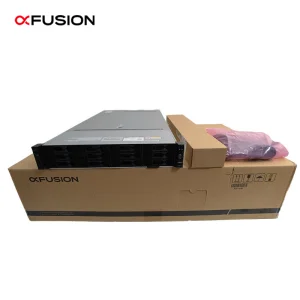
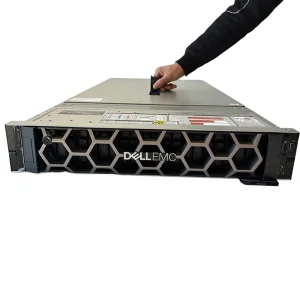
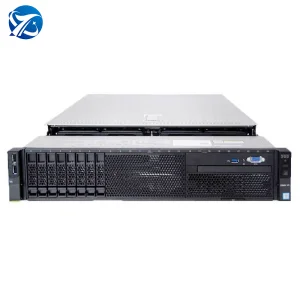
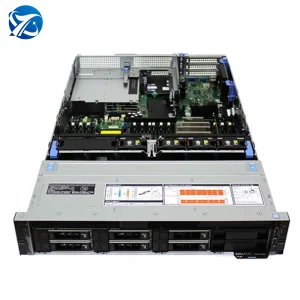
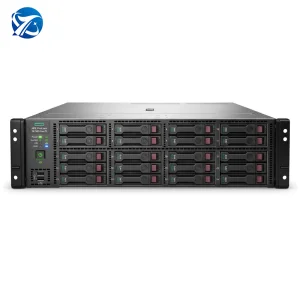
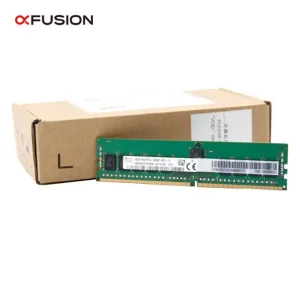
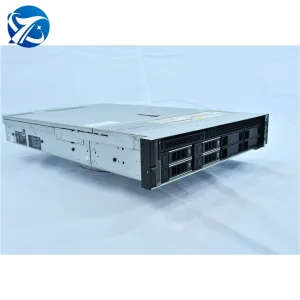
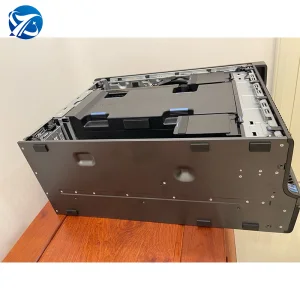
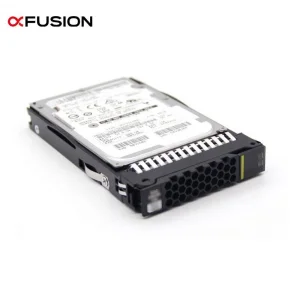
The relentless expansion of artificial intelligence (AI), high-performance computing (HPC), and dense cloud virtualization has pushed conventional server infrastructure to its thermodynamic limits. Modern data processing systems, utilizing high-performance platforms such as the xFusion2258 V7 and Dell PowerEdge R760 series, draw unprecedented levels of electrical power, translating directly into thermal energy that must be dissipated immediately to maintain system stability, efficiency, and component longevity.
As thermal design power (TDP) for individual CPUs breaches 350W and high-capacity GPUs routinely exceed 700W, traditional air cooling is rapidly proving insufficient for high-density architectures. This whitepaper analyzes the paradigm shift from standard air-cooled configurations to advanced liquid-to-air, direct-to-chip, and immersion cooling methodologies. It serves as a comprehensive procurement and engineering guide for organizations evaluating server cooling system factories and suppliers globally.
Elvantis Mesh Systems Ltd. stands as a premier, high-performance AI GPU server manufacturer specializing in scalable computing infrastructure with optimized thermal architectures. Since our establishment in 2016, we have committed to engineering excellence, bridging the gap between raw compute requirements and thermal feasibility.
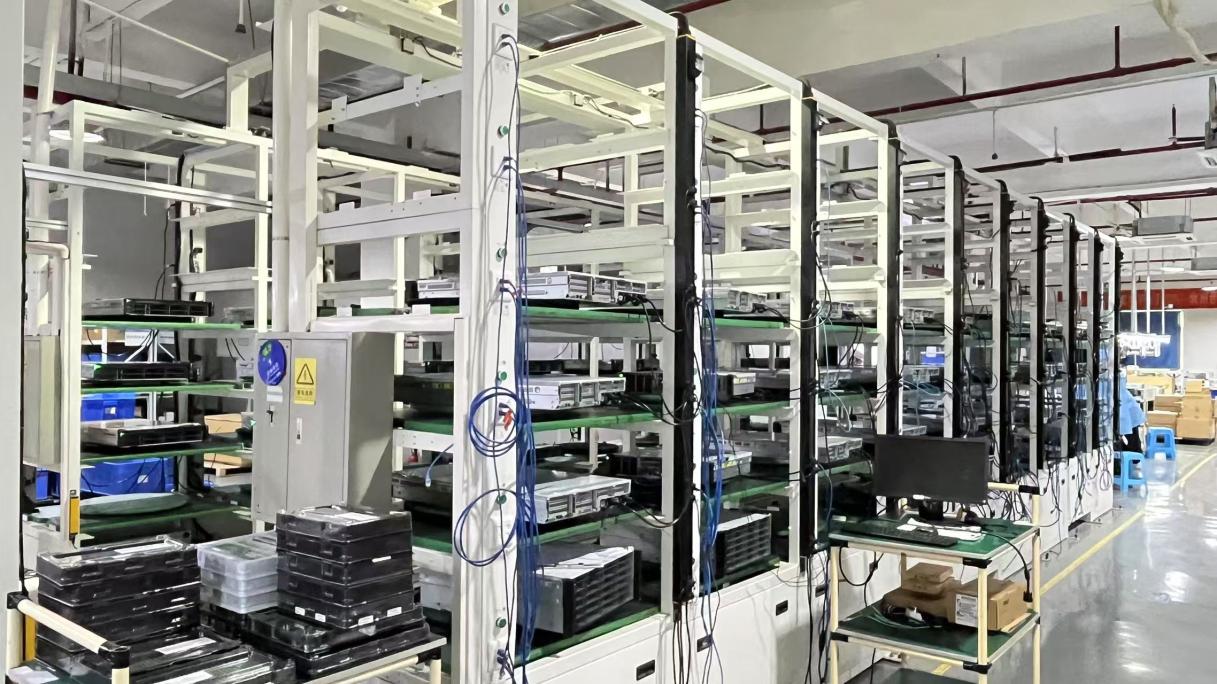
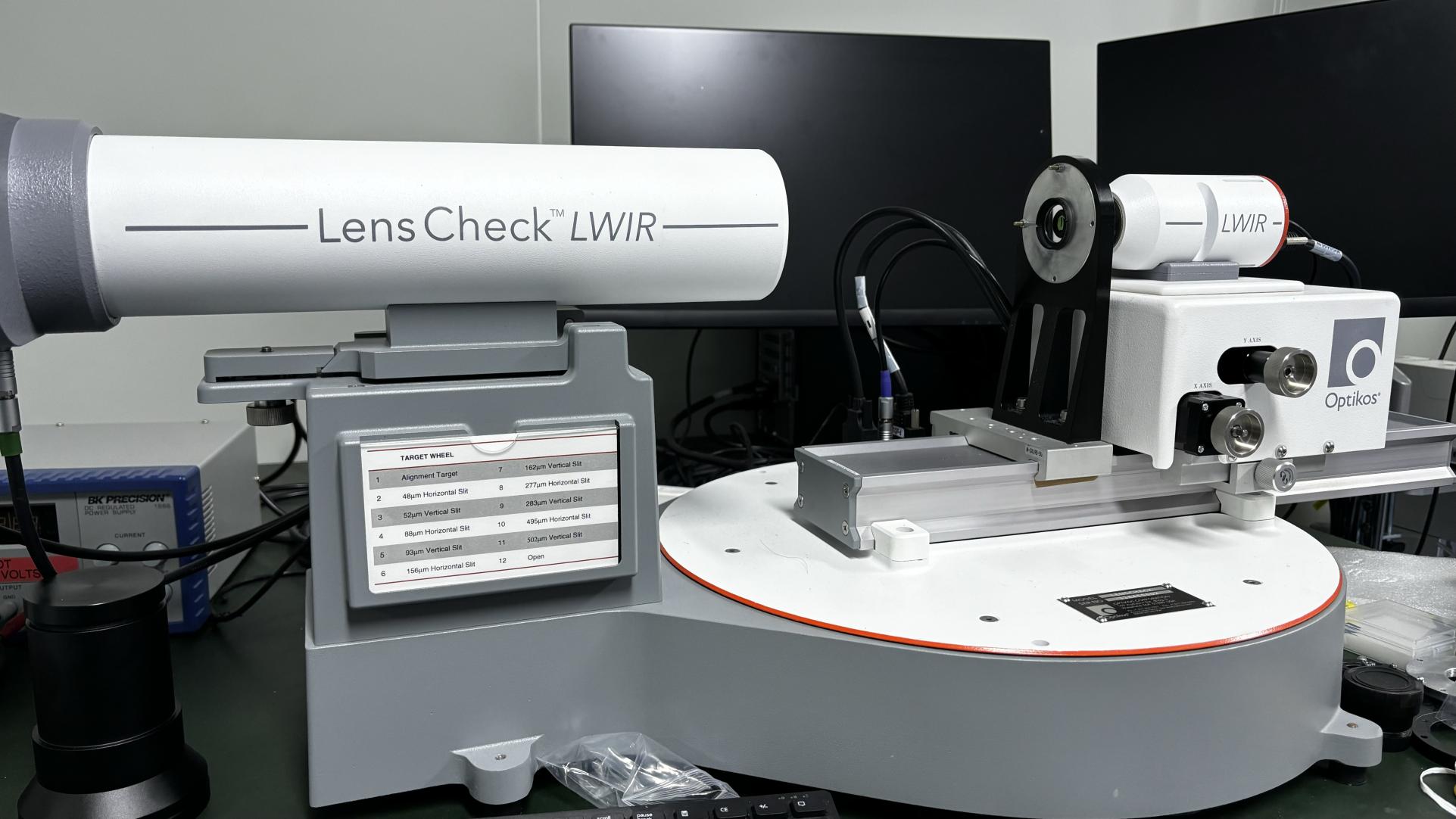
Operating out of a highly specialized 380㎡ integration, R&D, and testing facility, Elvantis ensures that every server build—ranging from standard 2U enterprise nodes to massive multi-GPU cloud center nodes—undergoes rigorous quality control. Backed by 35 dedicated QC professionals and 7 years of direct export experience, Elvantis has delivered over 120 new products in the last calendar year alone, serving critical markets across North America, Europe, the Middle East, and Southeast Asia.
Modern server cooling is not a one-size-fits-all discipline. Different enterprise workloads require customized heat-rejection vectors to achieve optimal thermal efficiency and prevent hardware throttling.
High-density computing arrays carrying hundreds of GPU cores require robust, multi-stage liquid cooling setups. Systems like the FusionServer G5200 V7 and xFusion 2258 V7 are optimized to run DeepSeek and other large language model (LLM) calculations. Liquid cooling cold plates are placed directly on the GPU dies, routing heat away via low-viscosity coolant loops.
Standard enterprise virtualization servers, such as the Dell PowerEdge R750 or HPE ProLiant DL380 Gen11, rely on highly optimized air cooling with redundant, hot-swappable fan banks and customized air ducts. High-efficiency 3D vapor chamber heatsinks facilitate rapid heat spread across fins, maintaining low CPU temperatures even under continuous maximum load.
Components like DDR5 RDIMM memory running at 6400MHz and fast PM893 Series PCIe SSDs generate significant concentrated thermal signatures. Modern chassis designs implement dedicated baffle plates and specialized localized cooling pathways to ensure these solid-state units maintain high read/write speeds without thermal degradation.
The manufacturing and distribution of server cooling systems have transitioned from niche mechanical contracting to highly standardized electronic assembly and fluid dynamics engineering. Geographically, production hubs are expanding to balance low-cost manufacturing with high-reliability testing pipelines.
Factories in advanced electronics clusters, such as Shenzhen and other specialized industrial zones, now lead in fabricating micro-channel cold plates, quick-disconnect couplings (QDs), and coolant distribution units (CDUs). The integration of strict manufacturing controls, automated optical inspection (AOI), and helium leak detection ensures that liquid cooling loops can run uninterrupted inside enterprise server chassis for years without risk of fluid escape.
Deploying advanced cooling infrastructure globally requires strict adherence to localized engineering and environmental regulations. Elvantis Mesh Systems ensures that all exported systems comply with major international benchmarks, providing peace of mind for corporate IT procurement departments.
Depending on geographic and structural limitations, server cooling architectures must adapt to local environments:
The roadmap for data center server cooling points toward high-efficiency liquid containment. While standard high-performance air cooling still has viability for low-TDP, general-purpose workloads, AI clusters have accelerated the integration of phase-change systems and liquid loops.
Installation of micro-channel copper cold plates directly on CPU/GPU dies. Standard server form factors (such as 2U rack setups) remain unchanged, with rear-door heat exchangers (RDHx) assisting in room-level heat rejection.
Submerging complete server blades into dielectric fluid tanks. This removes fans entirely, drastically reducing mechanical failure rates and lowering data center cooling power requirements by up to 90%.
Utilizing low-boiling-point dielectric fluids that boil and condense in a closed loop. The system self-regulates flow based on real-time server telemetry, yielding PUE ratios as low as 1.02.
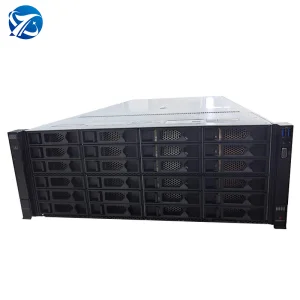
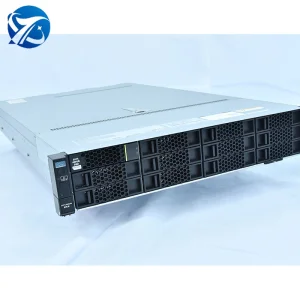
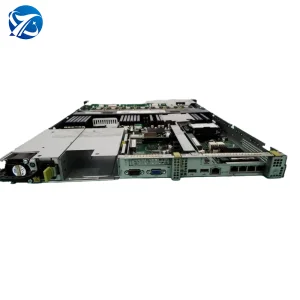

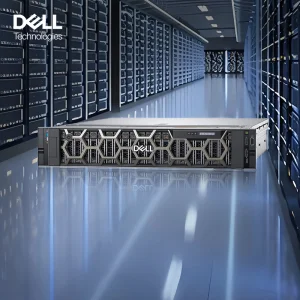
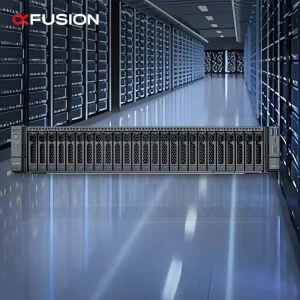
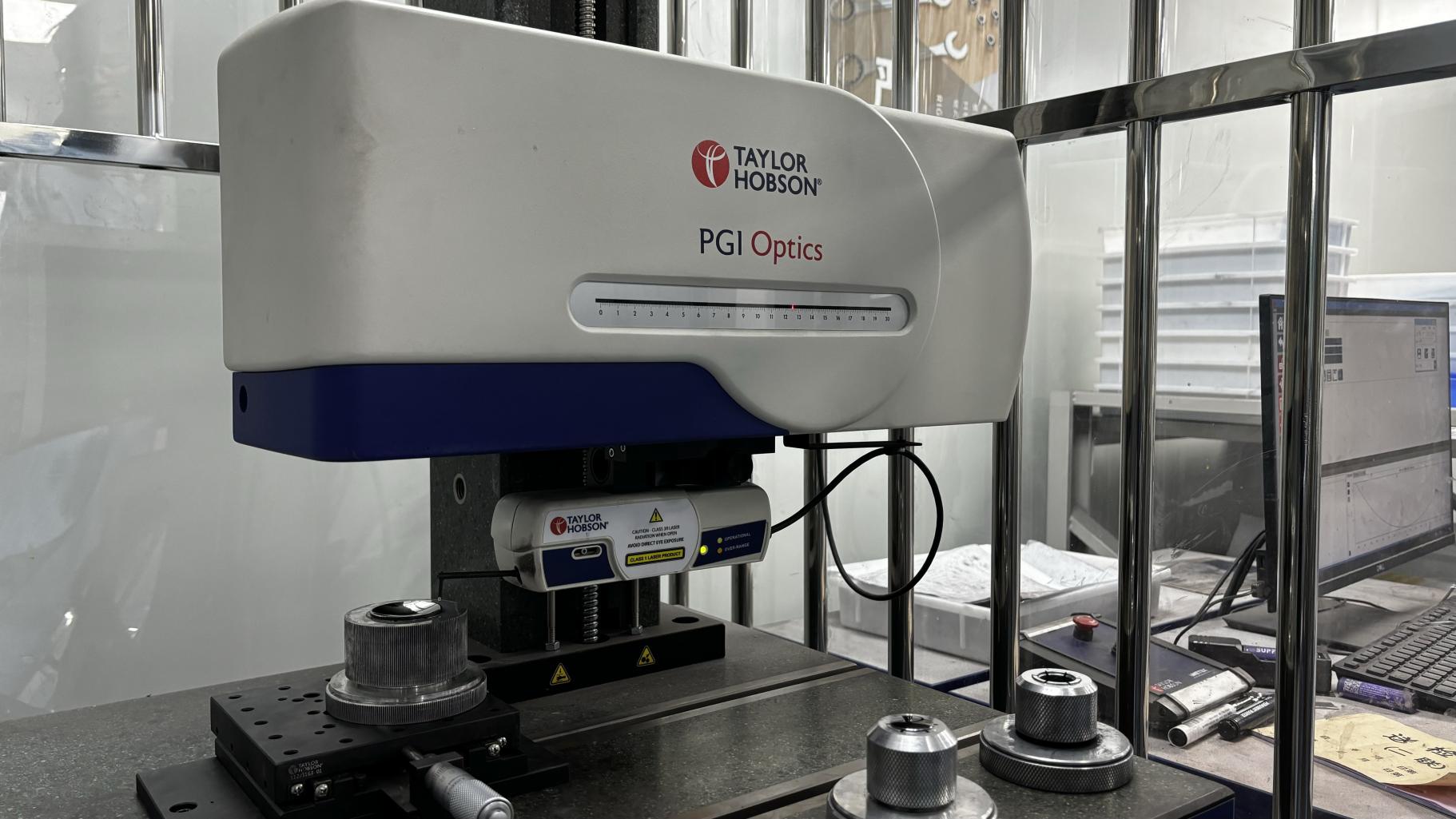
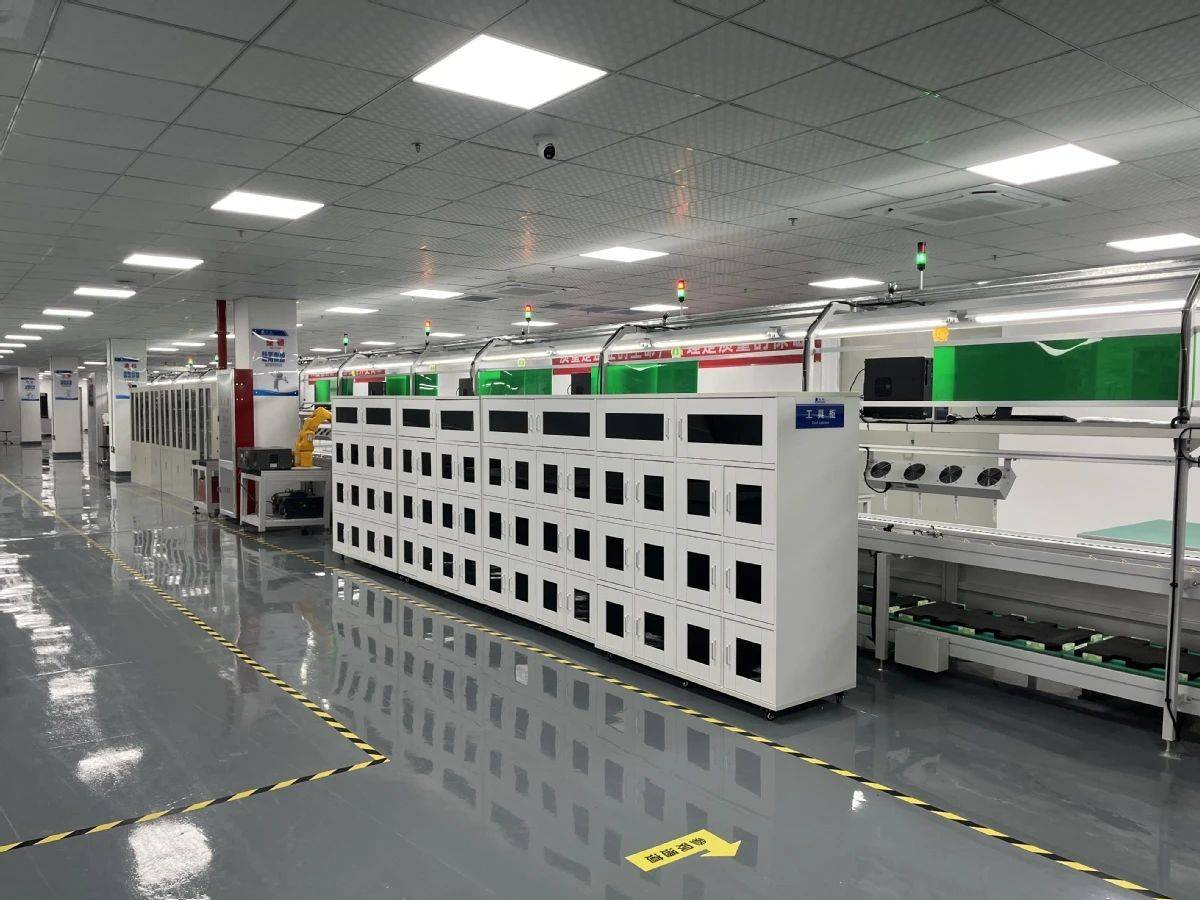
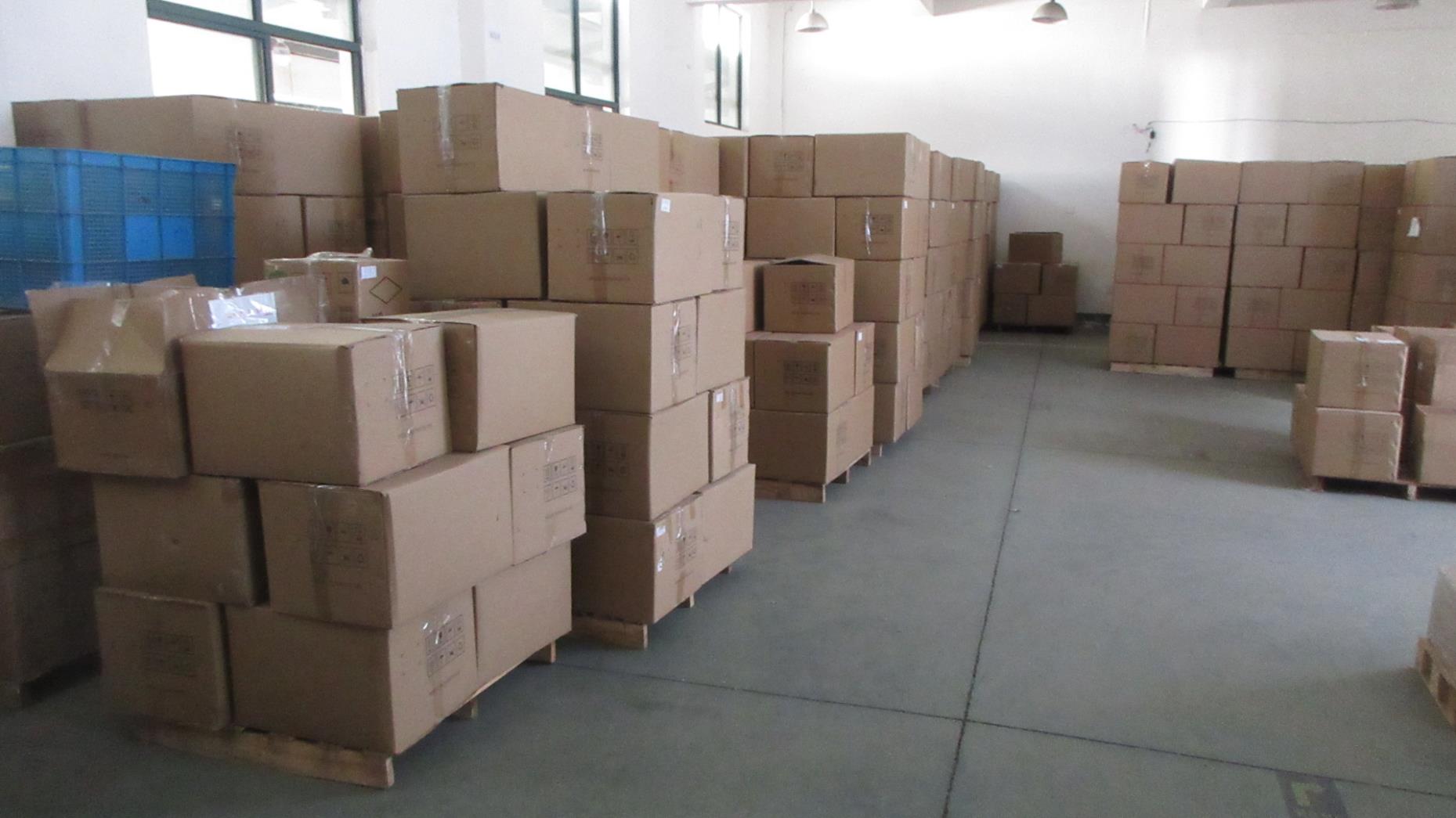
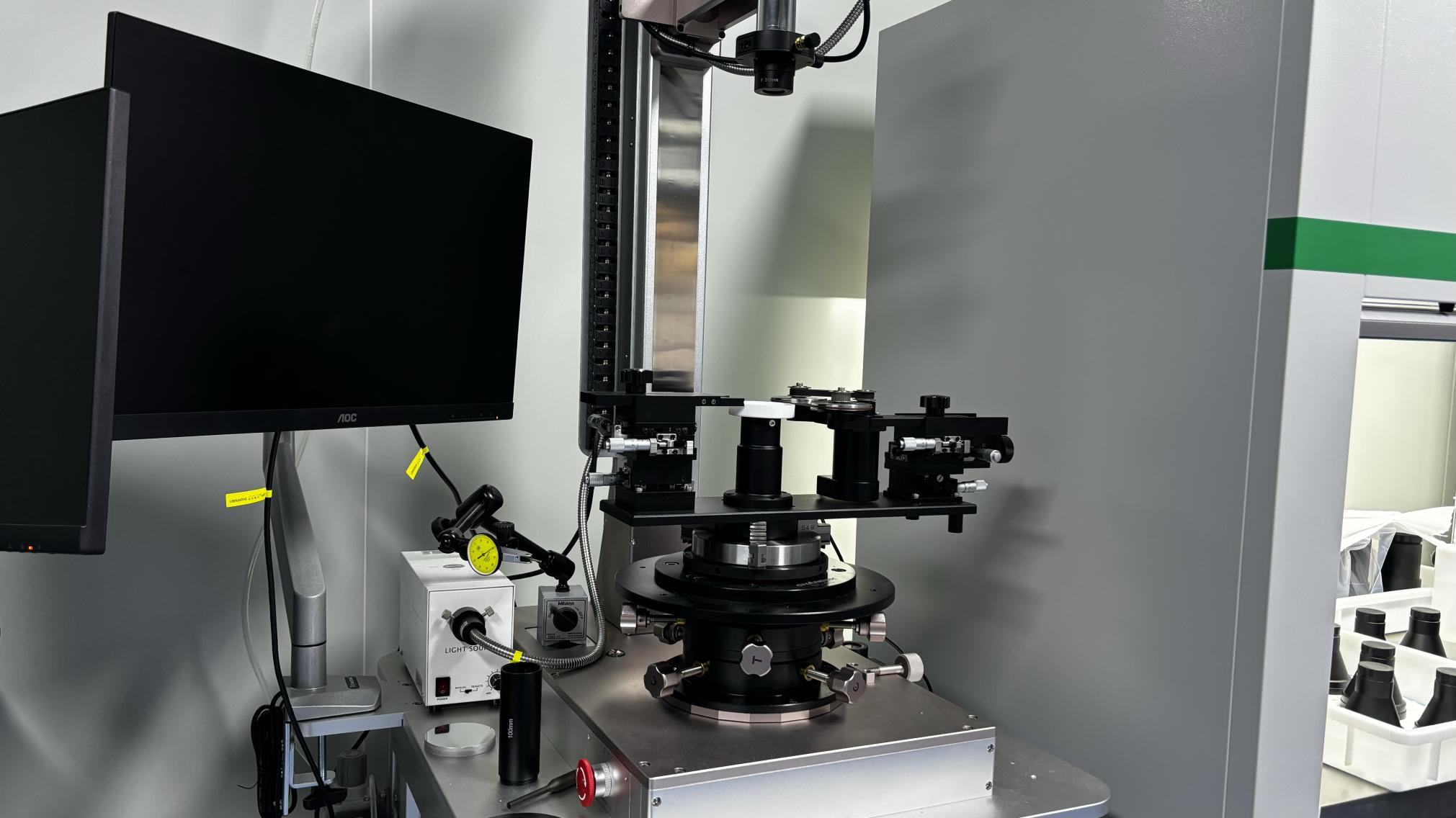
Behind the scenes at our partner production lines, showing component validation, system testing, and multi-node rack integrations.